Wilderness Programs, Courses & Services
check out our programs!
Willmore Wilderness
Trail Clearing Program
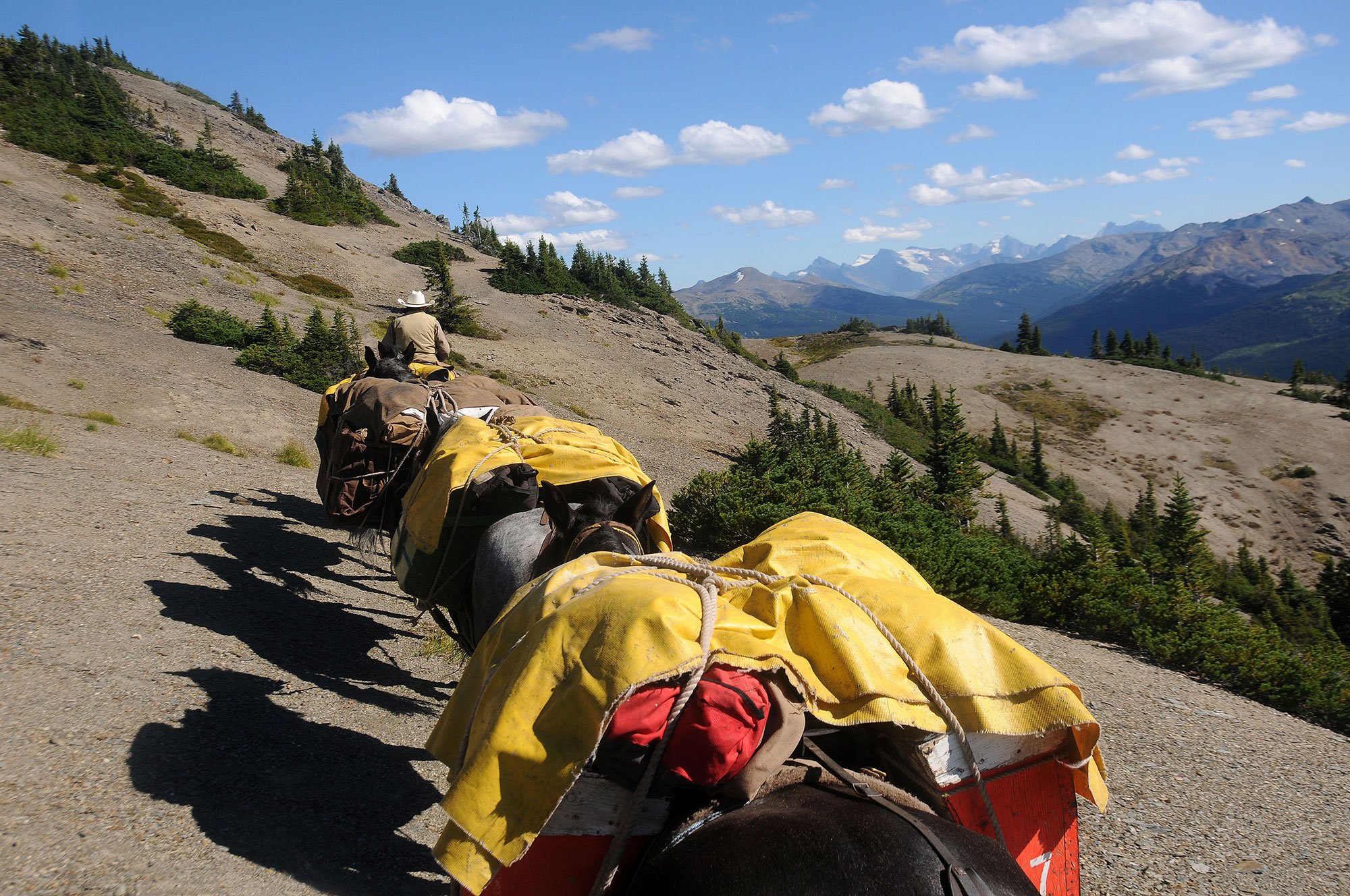
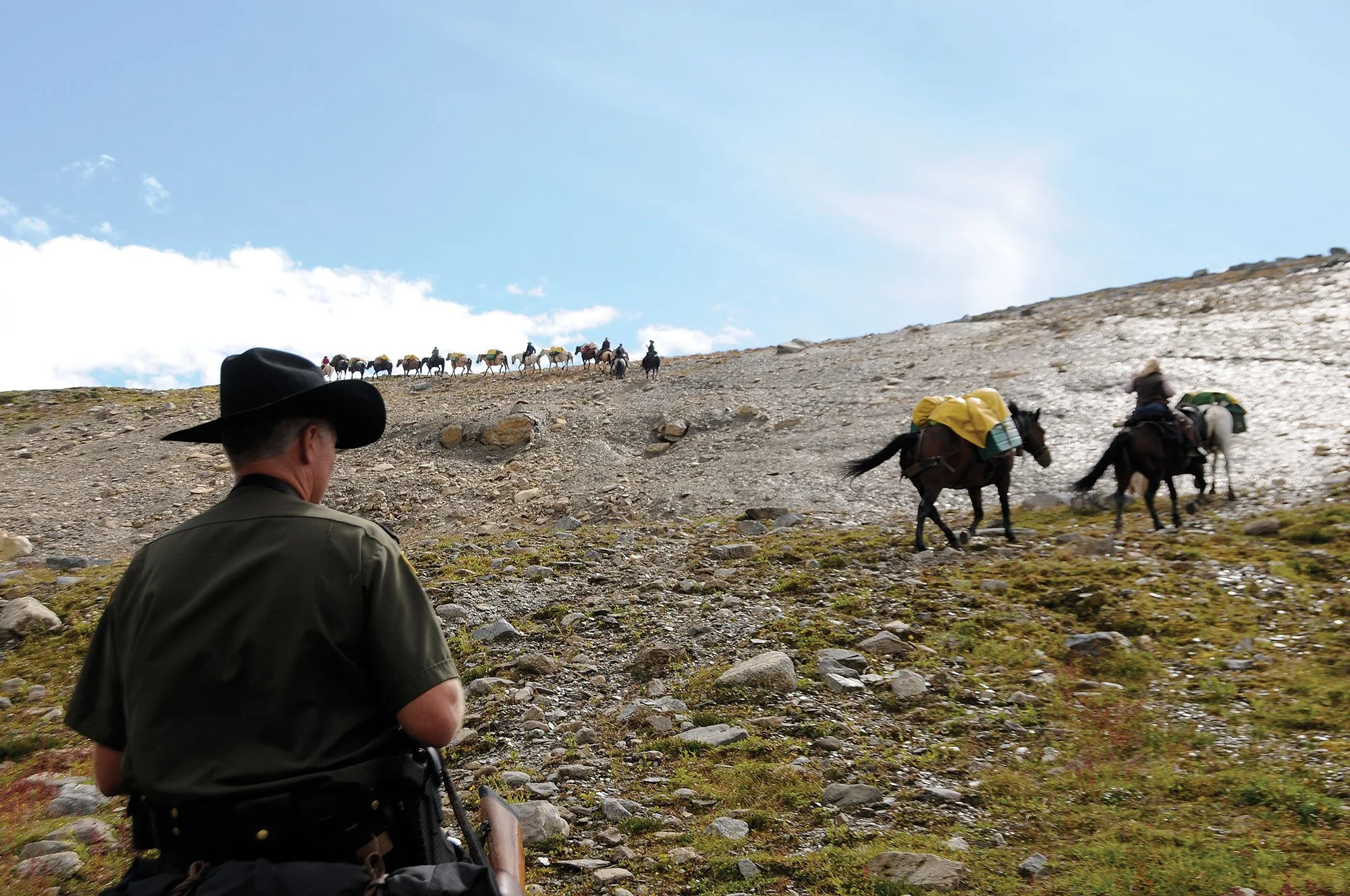
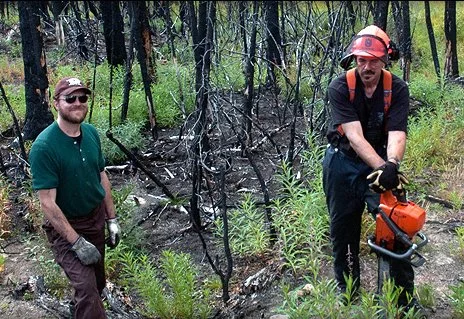
Since 2002, the Willmore Wilderness Foundation has restored and reopened hundreds of kilometres of historic pack trails in Willmore Wilderness Park. Crews work by saddle and packhorse to clear trails, remove garbage, and stock campgrounds with firewood, helping keep the park accessible and supporting its mountain culture, heritage sites, and traditional travel routes.
The program also gives local youth hands-on experience working alongside Elders, senior trailmen, and experienced horsemen. Participants learn trail restoration, horsemanship, safe backcountry travel, and traditional mountain skills. The Foundation maps the historic pack trail network to support its long-term stewardship.
Mountain Horsemanship
Program
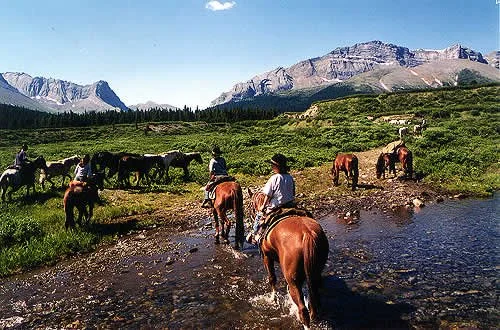
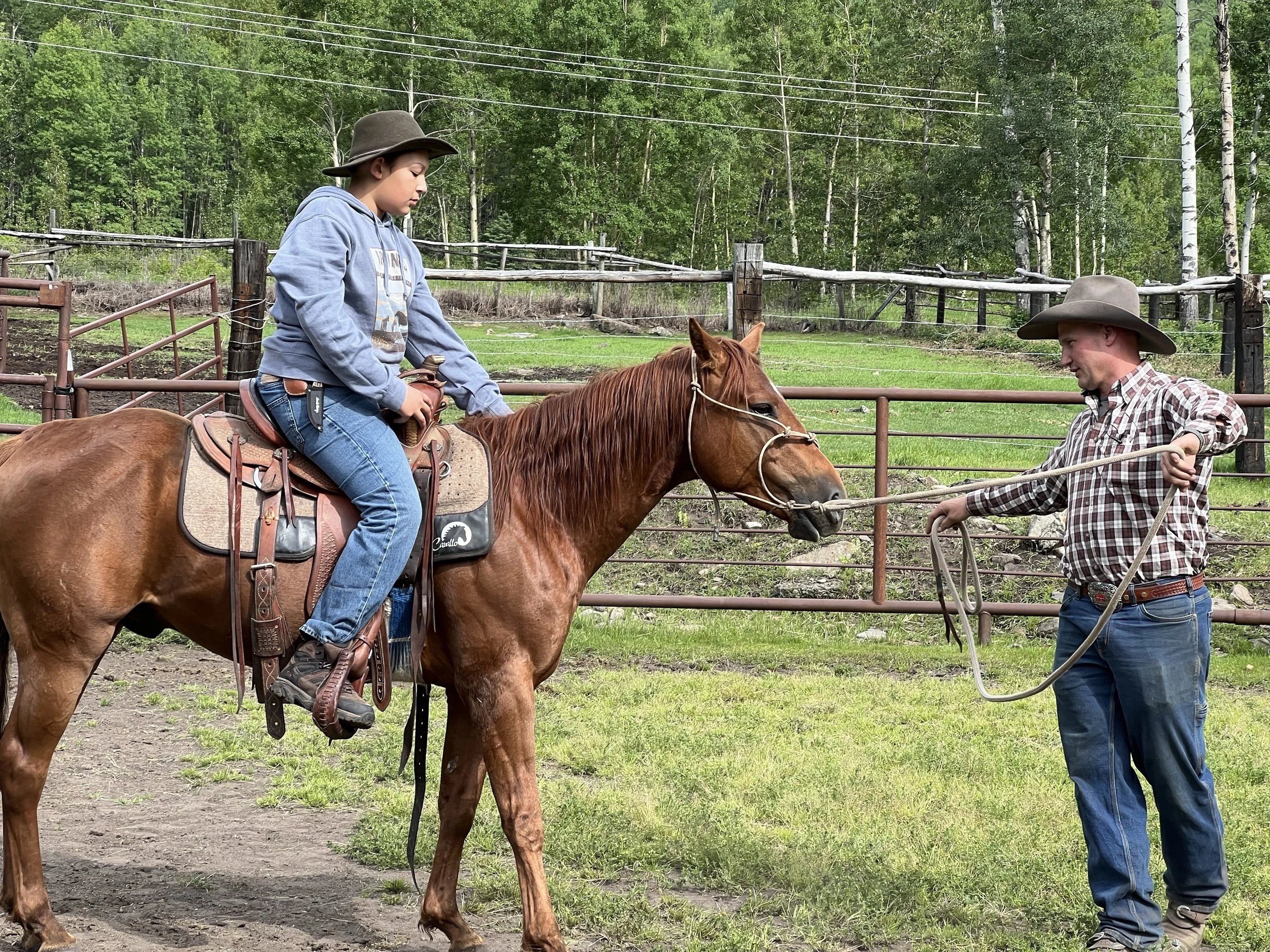
The Willmore Wilderness Foundation offers hands-on clinics that teach traditional mountain horsemanship, from starting colts to developing a finished horse. Youth and adults learn horse handling, riding, packing, and safe backcountry travel from experienced horsemen. These skills help keep mountain traditions alive for future generations.
The Willmore Wilderness Foundation is working to preserve this history, these traditions, and this culture so future generations can continue to enjoy the horseback way of life.
The Foundation has a solid history of promoting mountain horsemanship clinics, in a mountain environment.
Traditional Skills
Training Centre
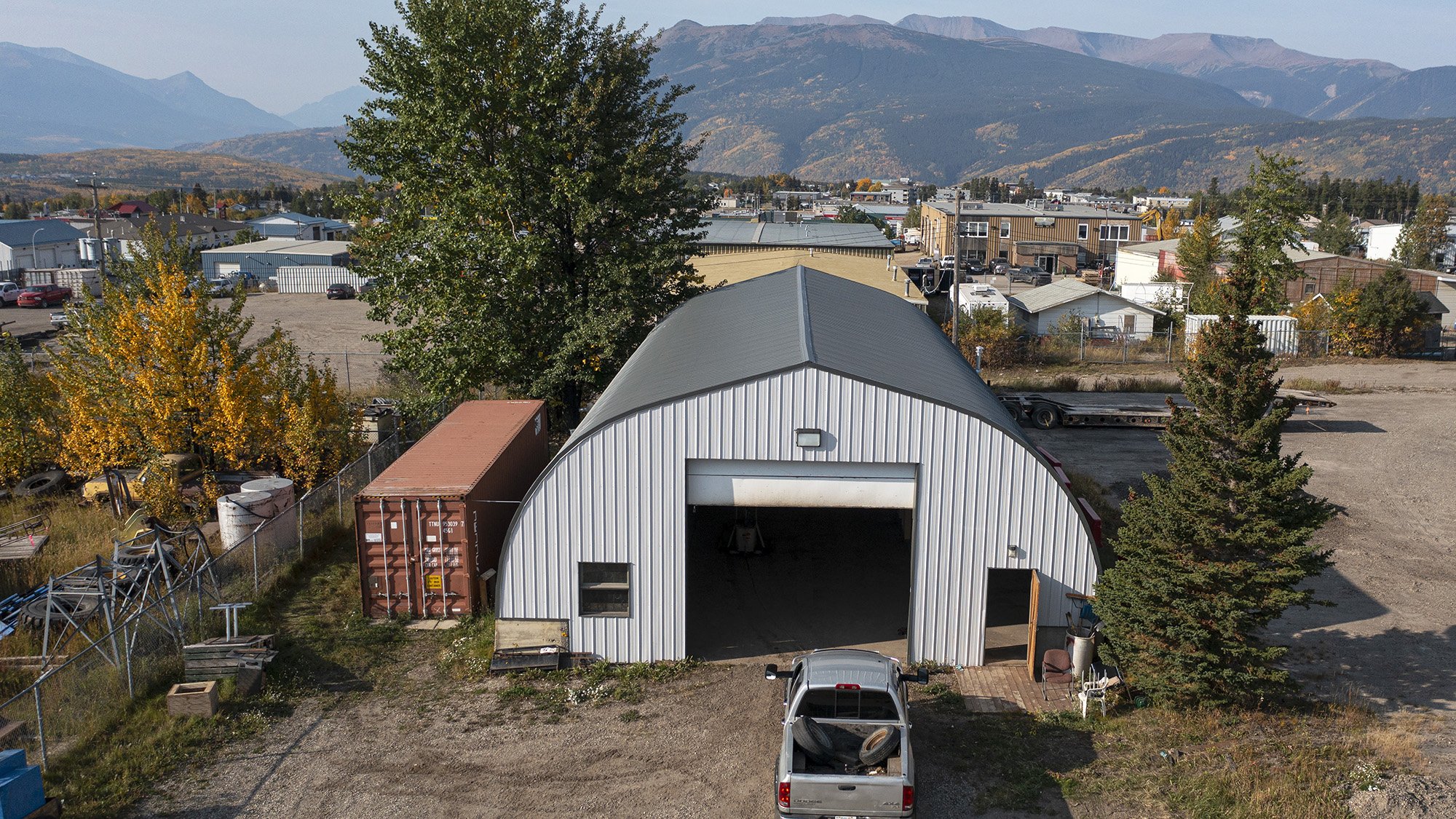
The Willmore Wilderness Foundation’s Traditional Skills Training Centre offers hands-on learning rooted in the traditions of the Canadian Rocky Mountains. Courses build practical skills for backcountry travel, guiding, outfitting, tourism, and hospitality, supporting both employment and self-employment.
Participants learn from experienced outfitters, guides, trappers, horsemen, trail cooks, and safety instructors through demonstrations, classroom learning, and practice. The Centre also supports Grande Cache businesses by bringing visitors to local hotels, restaurants, and shops.
Courses include: Courses cover mountain horsemanship, horse safety, starting colts, and farrier skills. Participants can also learn packing, diamond hitching, pack-box preparation, bits and tack, and trail knots, along with First Aid and CPR, chainsaw safety, wilderness cooking and survival, and safe trail and river-crossing practices.
Campsite Rehabilitation
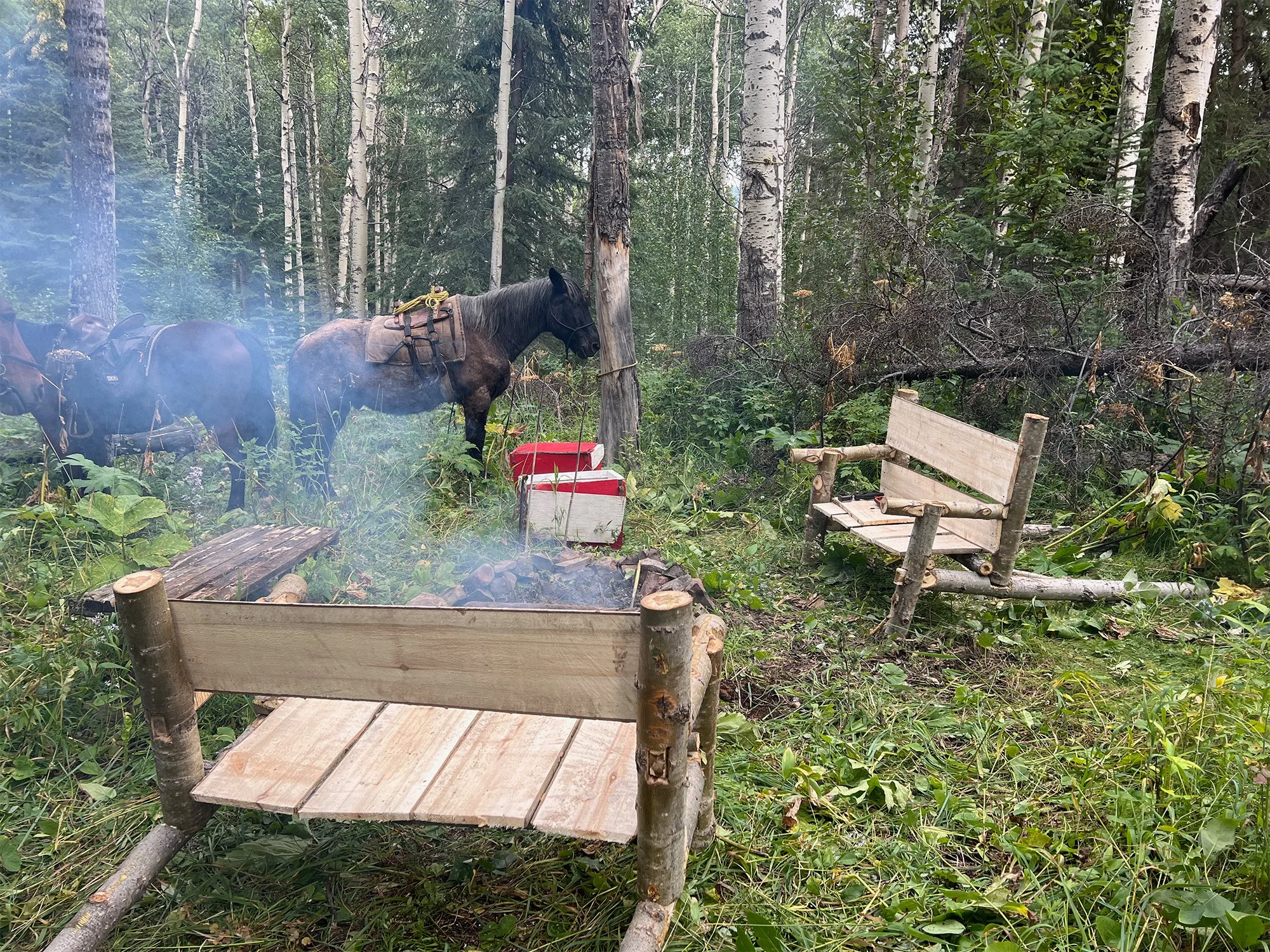
The Willmore Wilderness Foundation restores historic campgrounds throughout Willmore Wilderness Park, improving facilities for hikers, horseback travellers, hunters, anglers, and other visitors.
To comply with the Willmore Wilderness Act, crews use saddle and packhorses to bring in supplies and use natural materials whenever possible. Improvements may include benches, tables, fire rings, hitching rails, washstands, and toilets. By maintaining these sites, the Foundation supports responsible wilderness use, helps reduce random camping, and preserves the park’s backcountry heritage.
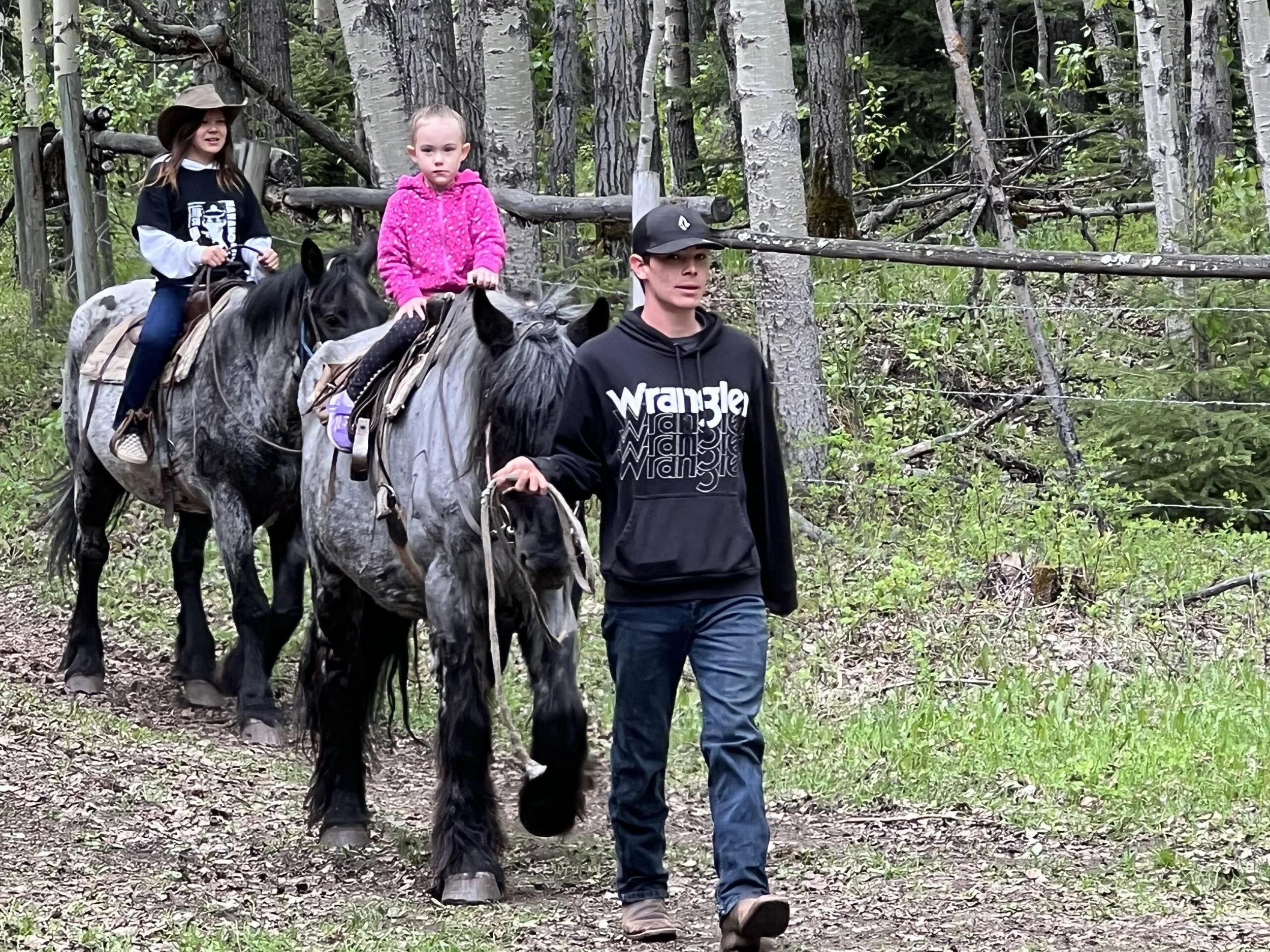
Mountain Kids and Horses
Mountain Kids & Horses gives youth a welcoming place to learn about horses and traditional mountain horsemanship. As they practise new skills, care for the horses, and learn alongside one another, they can build confidence and discover their own strengths, one step at a time.
Keep Willmore Wild:
Pack It In, Pack It Out
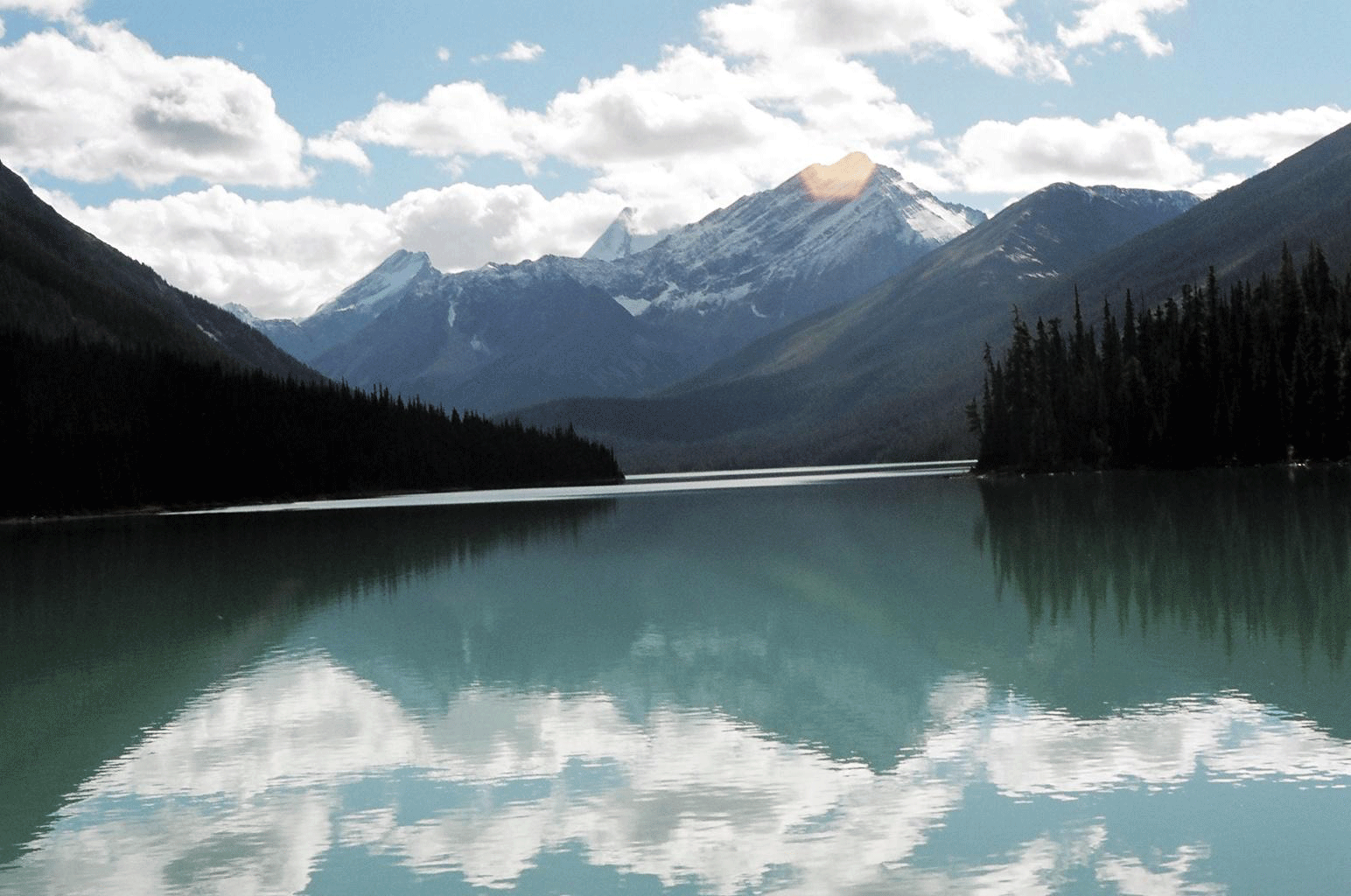
Waking up beneath clear skies and looking out across Willmore’s mountains is an experience worth protecting. As more people visit wilderness areas, litter can threaten the landscape, wildlife, and the quality of the experience for everyone.
The Willmore Wilderness Foundation works to keep Willmore Wilderness Park clean. Our backcountry trail crews collect litter and pack it out to trailheads, helping protect the park’s ecological health and natural beauty.
If you pack it in, pack it out. Take all your garbage with you, respect the land, and encourage others to do the same. Together, we can help keep Willmore wild and beautiful for generations to come.
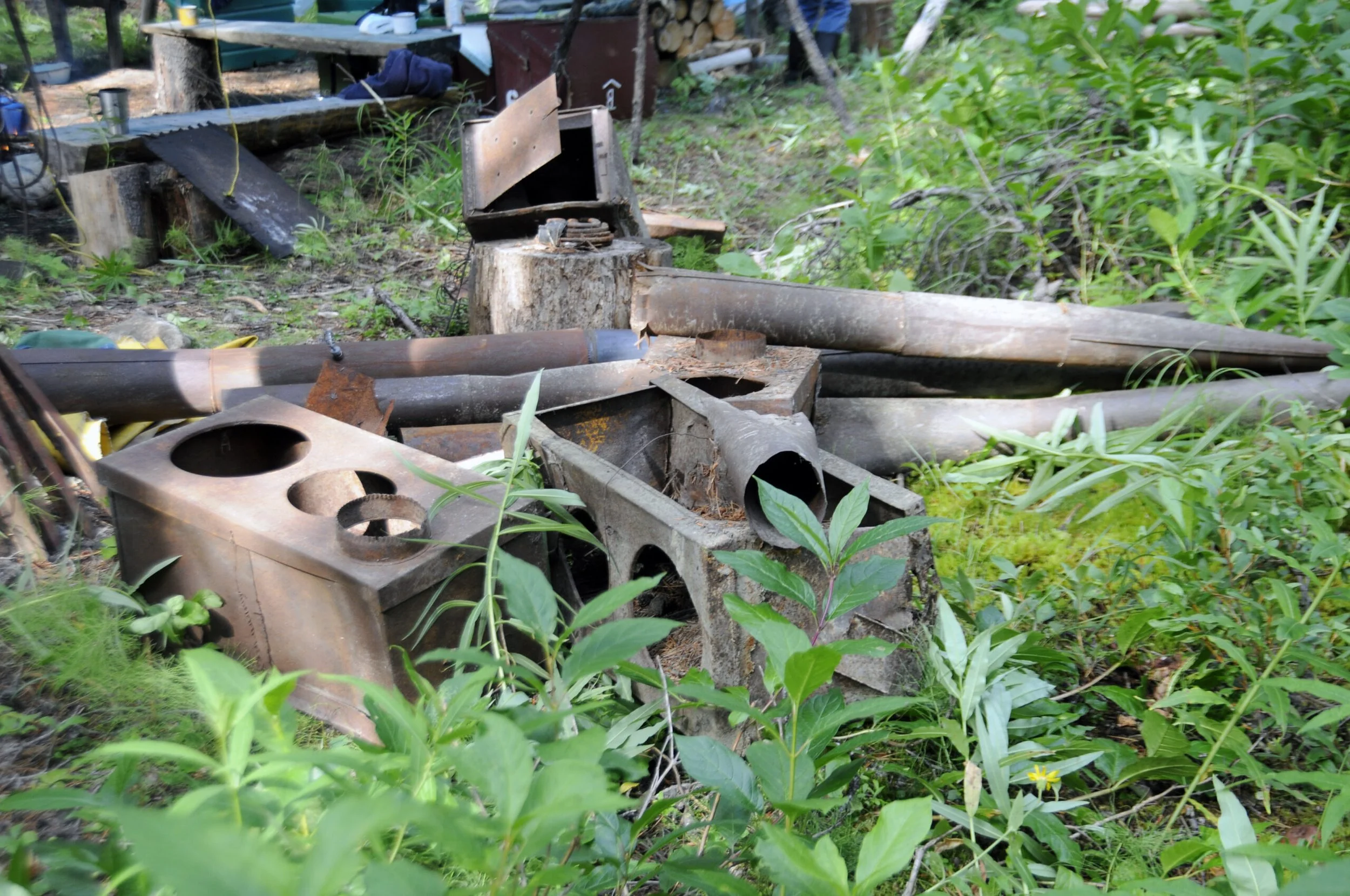
Diamond Hitch Clinic for Youth
In the Diamond Hitch Clinic, youth learn how to secure a balanced pack load to a pack saddle using the traditional diamond hitch. With guidance and hands-on practice, they build practical packing skills while learning patience, teamwork, and care for the horses that carry us into the mountains.
Be Prepared for Backcountry Travel
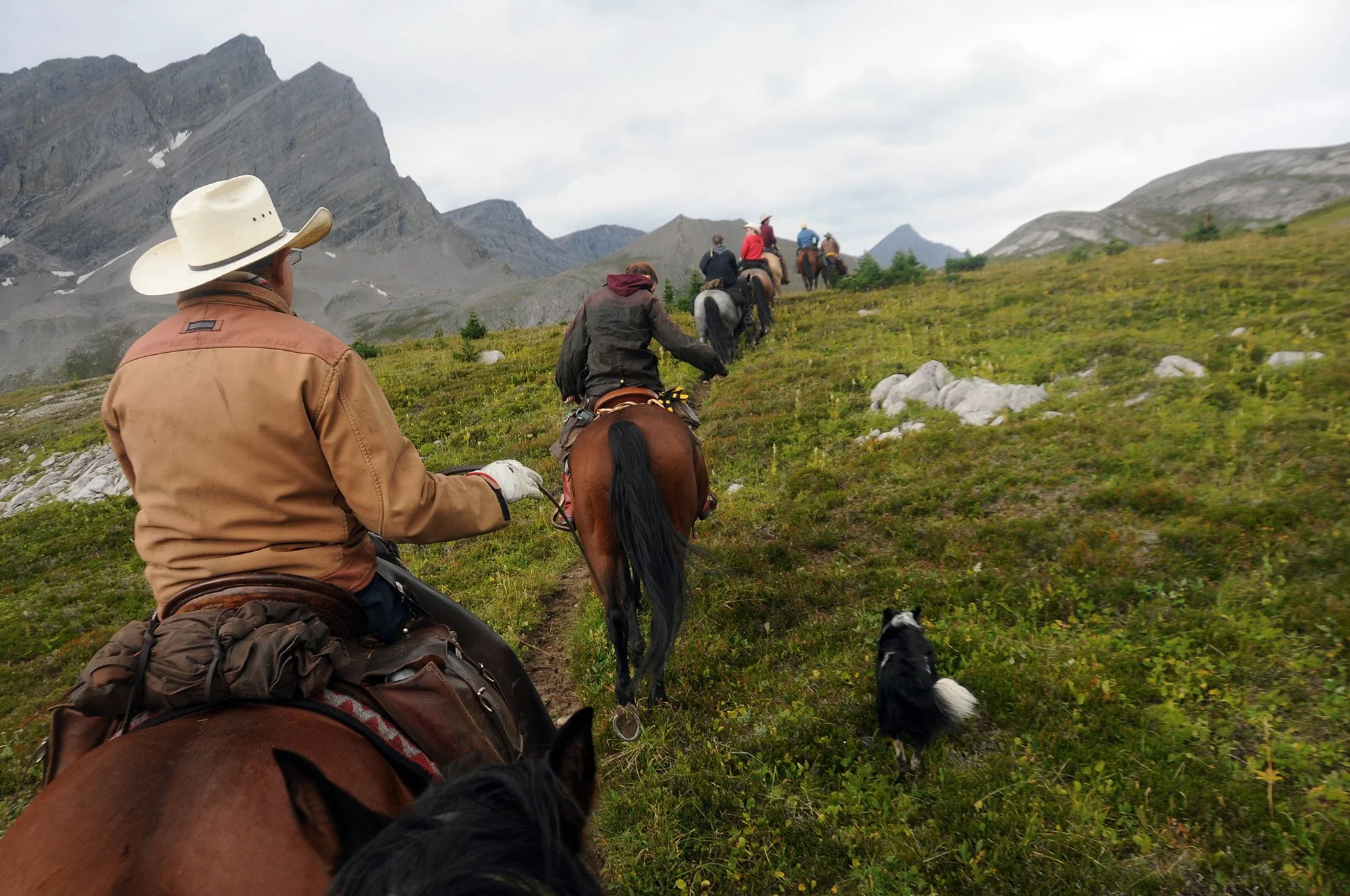
Willmore Wilderness Park offers a remote mountain experience for hikers and horseback travellers. Its rugged trails, abundant wildlife, and changing weather make careful planning essential. The park has no public facilities in the backcountry, and trail maintenance is limited. Travel only within your experience and be prepared to turn back if conditions become unsafe.
Popular Routes
Rock Lake to Eagle’s Nest Pass
A popular route for hikers and horseback travellers, this trail follows an old CAT trail built during oil and gas exploration in the 1950s. There are historic campgrounds along the way, and experienced multi-day travellers may continue toward Grande Cache.
Sheep Creek Trail
Beginning at Sulphur Gates staging area, this route crosses the Muddy Water River twice and leads to an abandoned airstrip. Spur trails continue toward the Great Divide Trail and nearby alpine areas.
River Crossings: Use Extreme Caution
River levels can rise quickly with rain or snowmelt. Alberta Parks warns that western rivers in Willmore may be impossible to cross safely, especially during peak runoff.
The Muddy Water River crossings on the Sheep Creek and Eagle’s Nest routes are especially hazardous. These crossings have claimed the lives of hikers and horses. The Wild Hay and Berland rivers can also be dangerous in high water.
Do not attempt a crossing if the water is fast, high, or unclear, or if you are unsure it is safe. Turn back or wait for conditions to improve.
Clark’s Crossing on the Smoky River is another high-risk area. A dangerous whirlpool is near the crossing; use a boat or raft to cross the river there.
Plan and Pack Carefully
Mountain weather can change quickly, and snow or frost can occur even in summer. Before leaving:
Check weather forecasts, park advisories, and current route conditions.
Carry a detailed map and compass, and know how to use them. Bring a GPS or satellite messenger for emergencies.
Leave your trip plan and expected return time with someone you trust.
Pack accessible bear spray, first aid supplies, a headlamp or flashlight, fire-starting supplies, a knife or multitool, rain gear, warm extra clothing, and sturdy boots.
Bring enough food, water, and supplies for delays.
For horseback trips, use established routes and plan for safe horse handling at crossings and camps. If you are unfamiliar with the area, consider hiring a local guide or outfitter with Willmore experience. Alberta Parks recommends local outfitters for their first-hand knowledge of the landscape.
The Willmore Wilderness Foundation has worked for more than 20 years to clear trails and rehabilitate historic campsites. Visitors can help protect this remarkable wilderness by planning carefully, respecting the land, and making safety the priority.
Before you go, check the Alberta Parks Willmore page
for current advisories, maps, and safety information.